

Pediatric Cardiologists Near Me in Santragachi, Howrah | Child Heart Doctor in Santragachi, Howrah
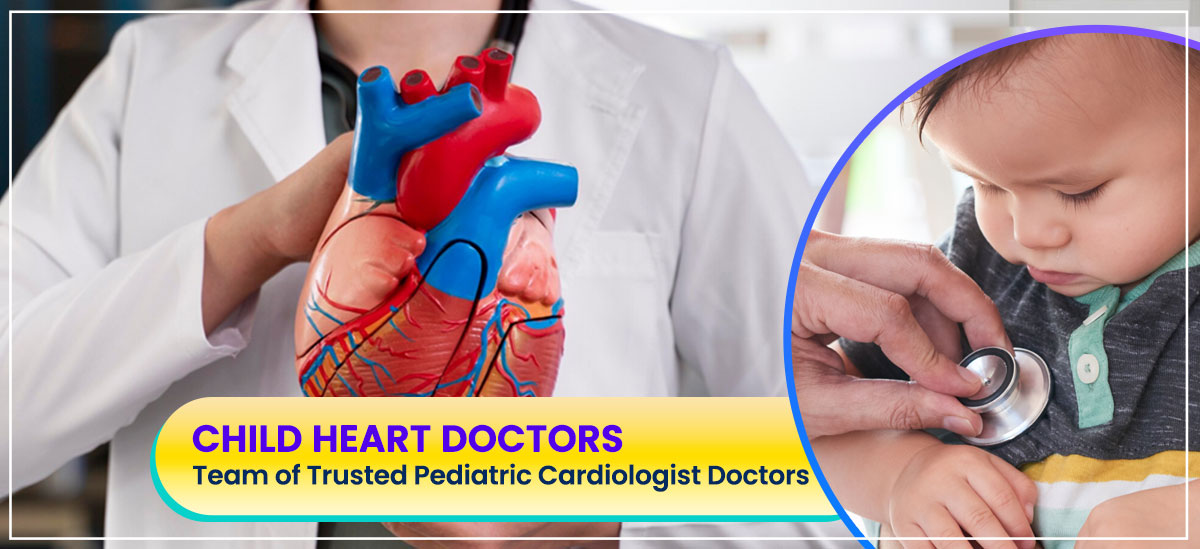
Understanding Your Child's Heart Health
When your child is facing a health issue, especially one related to their heart, the world can feel like it has suddenly stopped turning. As parents, the instinct to protect and provide the absolute best care for our children is overwhelming. You want answers, you want expertise, and above all, you want a compassionate medical professional who will treat your little one as if they were their own. If you are residing in or around the Santragachi area and are actively searching for the Best Pediatric Cardiologist in Santragachi, you are not alone, and you are in the right place.
Finding the right specialist is the most crucial step in ensuring your child’s heart health. A child’s heart is not just a smaller version of an adult’s heart; it is a developing organ with unique complexities. This comprehensive, step-by-step guide is designed to help you navigate the world of pediatric cardiology. We will explore what these specialists do, the various conditions they treat, the advanced procedures they perform, and how to connect with the Best Child heart doctors in Santragachi and nearby regions. We aim to empower you with simple, easy-to-understand information so you can make the best medical decisions for your family.
Understanding Pediatric Cardiologist
Before diving into where to find the best doctors, it is essential to understand exactly what a pediatric cardiologist does. A pediatric cardiologist is a highly specialized medical doctor who focuses on diagnosing, managing, and treating heart problems in children—from the fetal stage (before birth) all the way through adolescence, and sometimes even into adulthood for those born with congenital heart defects.
Why Not Just a Regular Cardiologist?
You might wonder why you cannot simply take your child to a standard cardiologist who treats adults. The answer lies in the nature of children’s heart issues. Adults typically develop acquired heart conditions over time—such as coronary artery disease, high cholesterol, or heart attacks related to lifestyle and aging. Children, on the other hand, most commonly face congenital heart defects (structural problems present at birth), genetic heart disorders, or specific rhythm abnormalities.
The Best doctors for Child heart undergo years of extra training specifically focused on the pediatric cardiovascular system. They know how to communicate with children to make them feel less afraid during exams. They know how to read the subtle signs of heart distress in a baby who cannot speak. Most importantly, they understand the emotional toll this takes on parents and know how to explain complex medical jargon in a human, empathetic way.
Why Proximity Matters: Seeking Care in Santragachi and Howrah
When dealing with a child’s heart condition, location and accessibility are vital. Frequent check-ups, diagnostic tests, and sometimes emergency consultations are part of the journey. Traveling long distances with a sick or recovering child can be stressful and physically taxing for the little one.
Santragachi, a key locality in Howrah, is strategically positioned with excellent connectivity. For residents of Santragachi, having access to world-class pediatric cardiac care nearby is a immense blessing. Just a short drive away is the renowned Narayana Superspeciality Hospital in Howrah, a hub of medical excellence that houses some of the most esteemed pediatric heart specialists in Eastern India.
When you search for the Best Pediatric cardiologists in Narayana Hospital Howrah, you are looking for a team that brings international standards of care right to your neighborhood. This proximity means less time commuting in traffic and more time focusing on your child’s healing and comfort.
Meet the Experts: The Best Child Heart Doctors in Santragachi
To ensure your child receives the highest standard of care, you need a medical team that combines decades of experience with a deep sense of compassion. The Department of Pediatric Cardiac Sciences at Narayana Superspeciality Hospital, serving the Santragachi and greater Howrah area, features a stellar panel of specialists.
Here are four eminent doctors who are transforming the landscape of pediatric cardiac care.
1. Dr. Amitabha Chattopadhyay
Consultant Interventional Pediatric Cardiologist
Dr. Amitabha Chattopadhyay is a revered name in the field of pediatric cardiology. Known for his exceptional clinical eye and steady hands, he has given thousands of families a reason to smile again. He specializes in interventional cardiology, meaning he is highly skilled at fixing complex heart defects using minimally invasive catheter techniques rather than open-heart surgery. Parents frequently praise him not just for his medical brilliance, but for his deep empathy, patience in answering questions, and his calming presence. He treats every child with the utmost care, ensuring that parents are fully aware and comfortable with the treatment plan.
2. Dr. Jayita Nandy Das
Consultant Interventional Pediatric Cardiologist
Dr. Jayita Nandy Das is celebrated for her profound dedication to child heart health and her expertise in advanced interventional procedures. She is a beacon of hope for many families dealing with critical and complex congenital heart defects. Dr. Das is particularly noted for her approachability and her skill in specialized cardiac imaging, including Fetal Echocardiography, which allows for the detection of heart issues before a baby is even born. Her ability to provide accurate, early diagnoses has saved countless lives, giving families the precious gift of early intervention.
3. Dr. Rishika Mehta
Consultant Interventional Paediatric Cardiologist
Dr. Rishika Mehta brings a wealth of knowledge, a modern approach, and a deeply compassionate touch to pediatric cardiology. She excels in managing both congenital and acquired heart conditions in children of all ages. Dr. Mehta is highly proficient in performing intricate diagnostic tests and specialized heart interventions. She is known for her collaborative approach, often working closely with pediatric cardiac surgeons and intensive care units to ensure a seamless, comprehensive care plan for critically ill children. Her reassuring demeanor helps ease the anxiety of stressed parents.
4. Dr. Anwesha Mukherjee
Consultant Interventional Paediatric Cardiologist
Dr. Anwesha Mukherjee is a dynamic and highly skilled interventional pediatric cardiologist. She is a vital pillar of the child heart care team, bringing expertise in treating a wide spectrum of pediatric cardiovascular diseases. From managing irregular heartbeats (arrhythmias) to closing holes in the heart (like ASD and VSD) without open surgery, Dr. Mukherjee is at the forefront of modern cardiac care. She is deeply passionate about patient education, always ensuring that parents understand the “why” and “how” of their child’s treatment, creating a strong bond of trust and transparency.
Treatment Areas for Pediatric Cardiologist: Complete Services Directory
When searching for the right Pediatric cardiology treatments in Kadamtala, it is deeply reassuring to know that the medical team close to you is fully equipped to handle every aspect of your child’s condition. Below is a detailed, easy-to-understand breakdown of the comprehensive treatment areas and specialized services provided by these eminent doctors.
1. Fetal Cardiology
Protecting the heart before birth.
A baby’s heart starts forming very early in pregnancy, and sometimes structural errors can occur. Fetal cardiology utilizes advanced ultrasound technology (Fetal Echocardiography) to safely scan and evaluate the baby’s heart while they are still inside the mother’s womb. Discovering a defect early gives doctors a massive advantage, allowing them to map out an exact medical strategy and assemble specialized teams for immediate, life-saving care the moment the baby is born.
2. Interventional Cardiology
Fixing heart problems without a scalpel.
In the past, correcting a hole in a child’s heart or opening up a stiff, narrowed valve required major open-heart surgery, a large chest scar, and weeks of painful hospital recovery. Today, interventional cardiology has revolutionized this process. Using a thin, flexible tube called a catheter, guided through a tiny blood vessel in the groin up to the heart, doctors can perform miraculous repairs. They can place small, umbrella-like devices to seal structural holes (ASD, VSD, or PDA closures) or use miniature balloons to stretch open tight valves. It is minimally invasive, leaves virtually no visible scar, and most children go home completely healed within a day or two.
3. Pediatric Arrhythmia Management
Taming irregular heartbeats.
The heart relies on a highly delicate, built-in electrical wiring system to maintain a steady, healthy beat. An arrhythmia occurs when this electrical path misfires, causing a child’s heart to beat far too fast, too slow, or completely erratically. While some rhythms are benign, others can cause severe dizziness, chest discomfort, or sudden fainting. Pediatric specialists use painless monitors (like ECGs and portable Holter devices) to track the heart’s electrical paths and manage them successfully using target medications, specialized pacemakers, or a highly precise procedure called “ablation” to fix the short-circuit permanently.
4. Cardiac Imaging Service
Crystal-clear pictures for flawless diagnosis.
You cannot fix what you cannot see perfectly. The cardiac imaging service uses cutting-edge technology, including non-invasive sound waves (Echocardiogram), detailed magnetic fields (Cardiac MRI), and advanced X-rays (CT scans) to construct highly detailed, three-dimensional views of a child’s moving heart. These tests are completely painless and give the medical team an exact roadmap of the heart’s inner chambers and blood vessels without requiring exploratory surgery.
5. Congenital Heart Defects (CHD)
Comprehensive care for structural birth defects.
Congenital heart defects are the single most common type of birth defect worldwide, occurring when the walls, valves, or major blood vessels of the heart do not develop correctly during the initial weeks of pregnancy. The team provides exceptional, highly targeted care for all forms of CHD—ranging from tiny holes that simply need careful, periodic monitoring to highly critical, complex structural anomalies that require immediate, life-saving medical action.
6. Acquired Heart Conditions
Treating illnesses that strike healthy hearts.
Some children are born with perfectly normal, healthy hearts but develop cardiac issues later in childhood due to severe viral infections, environmental triggers, or unusual immune system overreactions. Common conditions include Rheumatic Heart Disease (a direct complication of untreated strep throat infections), Kawasaki Disease (which inflames vital blood vessels throughout the body), and Myocarditis (inflammation of the heart muscle itself). Quick diagnosis and immediate treatment are absolutely crucial to protect the heart from long-term damage.
7. Congenital Muscular Dystrophy (CMD)
Preserving heart strength in muscular disorders.
CMD refers to a group of complex genetic conditions that cause progressive muscle weakness and tissue breakdown over time. Because the heart is the most important and hardest-working muscle in the body, it can be deeply impacted by CMD as a child grows. Pediatric cardiologists play a vital role in the multi-doctor care team for these children, using routine echocardiograms to measure heart pumping power and using specialized medications to keep the heart muscle supported and strong for as long as possible.
8. Heart Failure in Children
Helping a tired heart pump efficiently.
Hearing the words “heart failure” can cause absolute panic in any parent’s mind. In pediatric medicine, however, it does not mean the heart has completely stopped working. It simply means the heart muscle is currently struggling to pump blood efficiently enough to satisfy the body’s natural demands. This can happen due to a structural defect or an infection. Doctors handle child heart failure with incredible success using a fine-tuned balance of medications that relieve pressure and help the heart pump smoothly, along with customized nutritional plans.
9. Pulmonary Arterial Hypertension (PAH)
Relieving dangerous high blood pressure in the lungs.
PAH is a complex, serious medical condition where the blood pressure in the specific arteries connecting the heart directly to the lungs becomes dangerously elevated. This high pressure forces the right side of the heart to work exponentially harder to push blood through, which can eventually cause severe heart strain. Pediatric heart specialists manage PAH using advanced, specialized medications that relax and widen these blood vessels, drastically lowering the pressure and protecting the heart from strain.
10. Congenital Heart Disease
Lifelong support for adult survivors of childhood defects.
Thanks to historical breakthroughs in pediatric heart surgeries and treatments, babies born with severe heart defects are now growing up, going to college, building careers, and starting families of their own. However, their structurally unique hearts still require specialized, ongoing monitoring throughout adulthood. This service ensures a seamless, safe transition of care from childhood into adult life under the watchful eye of experts who truly understand congenital anatomy.
11. Special Heart Tests for Children
Kid-friendly diagnostics without the stress.
Adult heart test environments can be terrifying for small children. The pediatric team uses diagnostic tools crafted specifically for young bodies and gentle minds. This includes specialized pediatric Electrocardiograms (ECGs), kid-friendly treadmill stress tests to evaluate cardiac response during movement, and tilt-table testing to investigate the root causes of unexplained fainting spells in older children.
12. Special Heart Interventions for Children
Advanced, life-saving techniques for critical cases.
For highly intricate or urgent cases, standard medical options may not be enough. The interventional team is fully trained and equipped to perform advanced, high-stakes procedures on the tiniest patients. This includes balloon valvuloplasty to open critically stuck heart valves in premature newborns, or placing ductal stents to keep vital blood pathways open in a baby until they are strong enough for long-term surgical repairs.
Step-by-Step Guide: What to Expect on Your Journey
The unknown is often the source of a parent’s greatest anxiety. If you are preparing to bring your child from Kadamtala to see a pediatric heart specialist, understanding the exact journey step-by-step can help you feel in control, calm, and prepared.
Step 1: Spotting the Initial Warning Signs
The journey typically begins when a parent, a grandparent, or a local school pediatrician notices subtle, unusual changes in a child’s physical behavior.
In infants and babies, watch for these signs:
- Breathing unusually fast or struggling heavily for breath during routine feedings.
- Excessive sweating, particularly on the forehead, while nursing or taking a bottle.
- A distinct blue, purple, or gray tint around the lips, tongue, or fingernails (cyanosis).
- Failing to gain weight or hit standard physical milestones at a normal pace.
In toddlers and older children, pay close attention to:
- Complaints of a fast, fluttering, or pounding heart, or sharp chest pain.
- Dizziness, lightheadedness, or sudden fainting, especially during physical exercise.
- Extreme, unexplained exhaustion where they cannot keep up with friends during normal playtime.
Step 2: Preparing for Your Consultation
Before heading to the hospital, collect all of your child’s existing health records, including birth history, growth charts, vaccination files, and any notes or prescriptions from your neighborhood doctor. Write down a clear list of every single symptom you have observed at home, noting when they happen. Also, make a list of your questions—it is completely natural to forget what you wanted to ask when you are feeling anxious inside a doctor’s office.
Step 3: The First Consultation
When you sit down with the pediatric cardiologist, they will conduct an in-depth review of the mother’s pregnancy history, any family history of heart defects, and your child’s specific symptoms. Following this conversation, the doctor will perform a gentle physical examination. They will check your child’s pulses in multiple areas, look for fluid swelling, and use a stethoscope to listen intently for abnormal sound waves, which are commonly known as heart murmurs.
Step 4: Simple, Painless Diagnostic Testing
If the doctor feels further investigation is needed, they will order diagnostic tests right away. It is vital to remember that these primary tests are completely safe, non-invasive, and painless:
- Pulse Oximetry: A tiny, soft sensor clip is attached to a finger or toe. It uses a safe light to measure the oxygen saturation level in your child’s blood within a few seconds.
- Electrocardiogram (ECG): Small, colorful stickers are placed gently on your child’s chest, arms, and legs to read and record the heart’s natural electrical rhythm.
- Echocardiogram (Echo): This is the definitive tool for child heart care. It uses the exact same harmless sound wave technology as a pregnancy ultrasound. The doctor applies warm gel to the chest and glides a smooth wand across the skin to view the heart’s inner walls, chambers, and valves moving in real-time on a monitor. Parents can sit right next to the bed and hold their child’s hand the entire time.
Step 5: Understanding the Diagnosis
Once the test results are ready, the doctor will sit down with you to explain the findings. The Best doctors for Child heart strictly avoid confusing medical jargon; instead, they use simple terms, clear diagrams, or hand-drawn sketches to show you exactly how your child’s heart is structured and how blood is flowing. They will explain the exact severity of the issue and answer your questions thoroughly.
Step 6: Mapping Out the Treatment Path
Not every single heart diagnosis requires an immediate operation. The specialist will outline a clear, customized strategy:
- Observation: If the defect is very small (like an innocent hole), the plan may simply be periodic follow-up checks, as many small holes close completely on their own as a child grows.
- Medical Therapy: Many conditions are successfully and easily managed using daily liquid syrups or small pills that optimize blood flow and help the heart muscle pump with less effort.
- Minimally Invasive Intervention: If a physical repair is needed, the doctor will explain if it can be fixed elegantly via a catheter procedure in the lab, walking you through the steps, safety rates, and quick recovery time.
- Surgical Repair: If the defect is highly complex, they will introduce you to a trusted pediatric cardiac surgeon to discuss a traditional surgical plan with clarity and care.
Step 7: Recovery and Long-Term Healing
If your child undergoes a catheter intervention, they are monitored closely by specialized pediatric intensive care nurses. Because these procedures avoid large surgical wounds, children bounce back incredibly fast. Many are sitting up, eating their favorite foods, and laughing the very next morning, ready to be discharged. The medical team remains a long-term partner in your child’s life, scheduling routine check-ups to make sure their heart continues to grow perfectly alongside them.
Why Narayana Superspeciality Hospital is the Ideal Choice for Kadamtala Families
When it comes to your child’s heart, you should never have to compromise on quality. Narayana Superspeciality Hospital in Howrah has built a reputation as a trusted center for pediatric cardiac care, offering families a comprehensive ecosystem designed specifically for children:
Care Feature | Why It Is Vital for Your Child’s Safety |
Dedicated Pediatric ICU (PICU) | Children should never be placed in adult recovery units. The hospital features specialized pediatric intensive care units run by nurses who focus entirely on young children. |
Specialized Pediatric Anesthesiologists | Safely sedating a tiny, 3-kilogram infant requires highly specialized skills and calculations compared to an adult. The hospital employs dedicated pediatric anesthesia experts. |
The Collaborative “Heart Board” | Complex cases are never left to a single doctor’s opinion. Cardiologists, structural surgeons, and intensive care specialists meet to review files together and map out the safest route. |
Advanced Catheterization Labs | The hospital features state-of-the-art imaging and catheter labs optimized for small pediatric anatomy, allowing for maximum safety and success during interventions. |
FAQs on Pediatric Cardiologist in Santragachi, Howrah
Parents naturally have many questions when their child’s health is on the line. Based on common searches from families in the Santragachi and Howrah areas, we have compiled answers to the most frequently asked questions.
1. How far is the best pediatric cardiac facility from Santragachi?
Narayana Superspeciality Hospital, which houses the top pediatric cardiology team in the region, is located very close to Santragachi. Depending on the exact location and traffic, it usually takes just a 10 to 20-minute drive. This close proximity is incredibly beneficial for emergency situations and routine check-ups.
2. My pediatrician heard a "heart murmur" in my child. Should I panic?
Absolutely not. A heart murmur is simply an extra sound the blood makes as it flows through the heart. Many murmurs in children are "innocent" or "functional," meaning they are completely harmless and a normal part of a growing child. However, because a murmur can sometimes indicate a structural issue, it is highly recommended to book an appointment with the Best Pediatric Cardiologist in Santragachi for an Echocardiogram just to be safe.
3. Can a hole in the heart close on its own without surgery?
Yes, in many cases, small holes in the heart (like a small VSD or ASD) can close on their own as the child grows. The pediatric cardiologist will monitor the hole with regular Echocardiograms. If the hole is large or causing the heart to work too hard, it will need to be closed. Fortunately, thanks to interventional cardiology, most of these holes can now be closed using a device placed through a small tube in the leg, avoiding open-heart surgery entirely.
4. When should a pregnant woman see a Fetal Cardiologist?
A fetal echocardiogram is usually recommended between 18 and 24 weeks of pregnancy if there are specific risk factors. You should ask for a referral if:
- There is a family history of congenital heart defects.
- The mother has diabetes, lupus, or certain other health conditions.
- A routine pregnancy ultrasound showed something unusual with the baby's heart or other organs.
- The mother took certain medications early in the pregnancy.
5. Do I need a referral to book an appointment with doctors like Dr. Amitabha Chattopadhyay or Dr. Jayita Nandy Das?
While a referral from your general pediatrician is helpful as it provides the cardiologist with background medical history, it is not strictly mandatory. You can directly contact the clinic or hospital to book a consultation if you have concerns about your child's heart health.
6. Is it safe to do an Echocardiogram on a newborn baby?
Yes, it is 100% safe. An Echocardiogram uses harmless sound waves (ultrasound) to take pictures of the heart. There is no radiation involved at all (unlike X-rays or CT scans). It is completely painless; the doctor just puts some warm gel on the baby's chest and moves a small wand around.
7. What is the success rate of pediatric heart interventions at Narayana Hospital Howrah?
The pediatric cardiac team at Narayana Hospital boasts exceptionally high success rates that match international medical standards. They have successfully helped over 1,500 families nationwide. With their combination of highly experienced senior doctors and cutting-edge technology, even the most complex and critical newborn interventions are performed with outstanding outcomes.
8. How to get an appointment at Narayana Hospital Howrah from Santragachi, Howrah for best Pediatric Cardiology doctors?
For Appointment Call Now: 091630 48066.
Partnering for Your Child’s Future
The journey of pediatric heart care can seem daunting, but you do not have to walk it alone. Modern medicine has evolved incredibly, turning what were once fatal conditions into manageable, highly treatable, and completely curable situations.
If you live in Howrah or Kolkata, you have immediate access to world-class medical professionals. By choosing the Best Pediatric Cardiologist in Santragachi, you are giving your child the best possible start to a long, healthy, and vibrant life. The experts at Narayana Hospital—Dr. Amitabha Chattopadhyay, Dr. Jayita Nandy Das, Dr. Rishika Mehta, and Dr. Anwesha Mukherjee—are not just treating conditions; they are treating families, offering hope, healing, and a commitment to your child’s future.
Don’t wait if you have concerns. A simple, painless check-up today can bring you peace of mind and ensure your child’s heart beats strong for a lifetime.
Have Concerns About Your Child's Heart Health?
Schedule an Appointment Today
Your child’s health is our utmost priority. For appointments, consultations, or to learn more about our services, please call us at (+91) 91630 48066. We are here to answer your questions and provide the expert, compassionate care your child deserves.
All Services:
- Fetal Cardiology
- Pediatric Arrhythmia Management
- Interventional Cardiology
- Cardiac Imaging Service
- Congenital Heart Defects
- Acquired Heart Conditions
- Symptoms & Diagnosis of Heart Conditions in Children
- Congenital Muscular Dystrophy (CMD)
- Heart Failure in Children
- Pulmonary Arterial Hypertension (PAH)
- Congenital Heart Disease
- Special Heart Tests for Children
- Special Heart Interventions for Children