

Pediatric Cardiologists Near Me in Andul Road, Howrah | Child Heart Doctor in Andul Road, Howrah
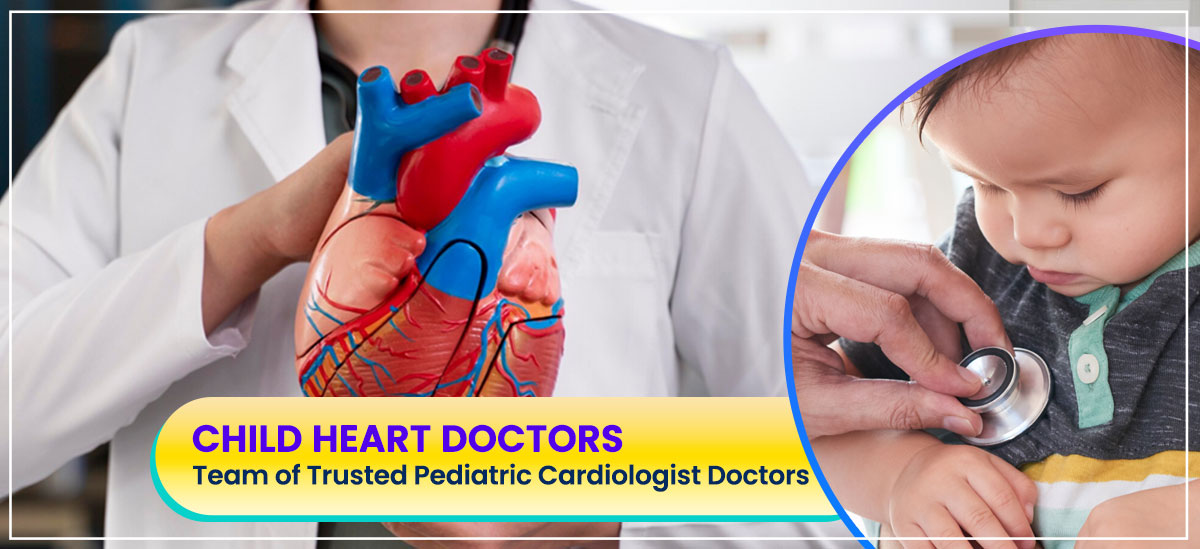
Understanding Your Child's Heart Health
Finding out that your child might have a heart condition is a moment when time seems to stand still. As a parent, a whirlwind of emotions takes over—fear, anxiety, confusion, and an overwhelming desire to protect your little one. You begin searching for answers, trying to decode medical terms, and looking for someone you can trust completely with your child’s life.
If you live along or near Andul Road, Howrah, you are in a position of reassurance. You do not need to travel across states or endure exhausting journeys to access top-tier medical care. Exceptional, world-class specialized care is available right in your neighborhood.
This comprehensive guide is built to serve as a supportive companion for families seeking the Best Pediatric Cardiologist in Andul Road. We will demystify child heart care, walk you through what to look for in a medical specialist, explain advanced Pediatric cardiology treatments in Andul Road, and introduce you to the most eminent doctors dedicated to healing young hearts.
Why a Child’s Heart Needs a Specialized Pediatric Cardiologist
A very common question parents ask when first referred to a heart specialist is: “Can’t a regular adult cardiologist treat my child?” The answer is a definitive no. Children are not simply small adults, and their heart conditions are fundamentally different from those found in grown-ups.
The Key Differences in Conditions
Feature | Adult Cardiology | Pediatric Cardiology |
Primary Focus | Degenerative, lifestyle, and age-related issues. | Structural, developmental, and genetic issues. |
Common Diseases | Coronary artery blockages, heart attacks, chronic hypertension. | Congenital Heart Defects (holes, malformed valves, narrow vessels). |
Heart Dynamics | Fully grown, stable structure with localized damage. | Growing, developing organ changing alongside the child. |
Treatment Path | Lifestyle changes, long-term medication, stents, bypass surgery. | Device closures via catheters, corrective structural surgeries. |
Adult cardiologists spend years training to treat blood vessels that have narrowed over decades due to aging, diet, or lifestyle. In contrast, pediatric cardiologists focus on Congenital Heart Defects (CHDs)—structural problems that a child is born with because the heart did not form perfectly in the womb. They also manage complex heart rhythm disorders and conditions caused by childhood infections.
The Art of Caring for Little Patients
Beyond anatomical differences, treating a child requires immense gentleness and unique communication skills. An infant cannot tell a doctor where it hurts; a toddler cannot sit perfectly still for an imaging scan out of sheer willpower.
The Best doctors for Child heart conditions are experts at reading a child’s non-verbal cues. They use specialized miniature equipment—such as ultrasound probes no larger than a marker pen—designed to capture high-definition images of tiny, rapid heartbeats. They know how to turn a scary medical examination into a comforting, gentle interaction that reduces anxiety for both the child and the parents.
Warning Signs: When to Consult the Best Child Heart Doctors in Andul Road
Many childhood heart issues are picked up during routine neonatal examinations or regular pediatric checkups. However, parents are always the first line of defense. Knowing what subtle physical cues to watch for can lead to early detection and highly successful treatment.
Red Flags in Infants and Babies
- Difficulty Feeding: If your baby becomes exhausted within a few minutes of breastfeeding or bottle-feeding, takes frequent long breaks, or breathes very hard while trying to suckle.
- Unusual Sweating: Excessive sweating, particularly across the forehead, during feeding sessions or while asleep in a cool room.
- Poor Weight Gain: A pattern known as “failure to thrive,” where the infant does not gain weight or grow at a normal rate despite feeding regularly.
- Rapid, Labored Breathing: Fast breathing where the chest pulls in deeply under the ribs or the nostrils flare with every breath, even when the baby is completely at rest.
- Cyanosis: A bluish or dusky grayish color visible around the lips, tongue, gums, or fingernail beds. This is a sign that the blood is not carrying enough oxygen.
Warning Signs in Toddlers and Older Children
- Inability to Keep Up: Your child gets tired much faster than their friends or siblings during normal outdoor play, frequently needing to sit down or stop to catch their breath.
- Fainting or Dizzy Spells: Sudden lightheadedness, dizziness, or fainting (syncope), especially when it happens during active physical exercise, running, or periods of intense excitement.
- Complaints of Chest Pain: Older children describing a feeling of tightness, pressure, or sharp pain in their chest while running or playing hard.
- Unusual Palpitations: The child complaining that their heart feels like it is “jumping,” “fluttering,” “beating too hard,” or skipping a beat entirely.
Important Note on Heart Murmurs: If your pediatrician tells you they hear a “heart murmur” using a stethoscope, try not to panic. A murmur is simply an extra sound made by blood moving through the heart. Many children have “innocent murmurs” which are completely harmless and disappear as they grow. However, the only way to be 100% certain is to have an evaluation by the Best Child heart doctors in Andul Road to check the heart’s structure.
Meet the Eminent Experts: Leading Pediatric Cardiologists Near Andul Road
When it comes to your child’s heart, you want exceptional clinical skill combined with deep empathy. Families along Andul Road have direct access to the Department of Pediatric Cardiac Sciences at Narayana Superspeciality Hospital, Howrah. This dedicated center stands out globally for its success in treating complex congenital anomalies.
The hospital features some of the Best Pediatric cardiologists in Narayana Hospital Howrah, recognized for pioneering non-surgical structural corrections. Meet the leading specialists dedicated to protecting your child’s health:
Dr. Amitabha Chattopadhyay
Clinical Lead & Consultant Interventional Pediatric Cardiologist
Dr. Amitabha Chattopadhyay is a highly respected figure in pediatric cardiology across Eastern India. With decades of clinical experience, he has mastered the art of non-surgical structural interventions. He is widely celebrated by families for his incredibly reassuring bedside manner, his absolute transparency, and his ability to make parents feel calm and informed during difficult moments. Dr. Chattopadhyay specializes in complex catheter-based closures, ensuring children can recover from serious heart defects without major open surgery.
Dr. Jayita Nandy Das
Consultant Interventional Pediatric Cardiologist
Dr. Jayita Nandy Das brings profound technical expertise and a compassionate approach to advanced pediatric cardiac care. Her core focus lies in structural cardiac interventions, advanced fetal echocardiography, and neonatal cardiac care. She is highly skilled in performing precise device closures in low-weight infants and premature babies. Parents consistently praise her dedication, her meticulous diagnostic accuracy, and her gentle approach with frightened children.
Dr. Rishika Mehta
Consultant Interventional Paediatric Cardiologist
Dr. Rishika Mehta is recognized for her dynamic approach to pediatric cardiac emergencies, advanced imaging protocols, and customized medical care plans. She believes firmly in family-centric medical care, taking the time to explain anatomical changes to parents using simple terms and visual models. Her expertise ensures that critical congenital conditions are identified early and managed using the latest international therapeutic guidelines.
Dr. Anwesha Mukherjee
Consultant Interventional Paediatric Cardiologist
Dr. Anwesha Mukherjee is highly regarded for her focus on early, precise diagnostic screening and minimally invasive therapeutic procedures. She specializes in correcting congenital anomalies using specialized cardiac catheterization techniques, significantly reducing recovery times and avoiding large chest scars. Her patient, warm, and child-friendly approach helps transform a potentially scary hospital environment into a secure and comfortable space for little ones.
Treatment Areas for Pediatric Cardiologist: Our Comprehensive Services
A modern center for pediatric cardiology must provide an all-inclusive range of diagnostic and therapeutic options. Our dedicated team covers every aspect of your child’s heart health, extending from before birth all the way into their adult years.
1. Fetal Cardiology
Modern medicine allows us to care for a child’s heart before birth. Through Fetal Echocardiography—a completely safe, high-resolution ultrasound scan focused entirely on the unborn baby’s heart—our experts can carefully assess the heart’s development between the 18th and 24th weeks of pregnancy. If a structural defect is detected early, it allows our medical team and the parents to prepare a clear management plan for the exact moment the baby is born, ensuring immediate, life-saving care without losing precious time.
2. Interventional Cardiology
Thanks to incredible technological leaps, many structural defects no longer require open-heart surgery. Through interventional cardiology, our specialists use a very thin, flexible tube called a catheter, gently inserted through a tiny puncture in a blood vessel in the groin. Guided by real-time digital imaging, the doctor moves the catheter to the heart to close holes (such as ASD, VSD, or PDA device closures) or open up narrowed, stiff heart valves using a tiny balloon. There are no large incisions, minimal discomfort, and the child can often return home within 24 to 48 hours.
3. Pediatric Arrhythmia Management
An arrhythmia means that the heart’s electrical system is causing it to beat too fast, too slowly, or erratically. While some heart rhythm variations are just normal parts of a child’s growth, others require careful medical management. Our specialists utilize advanced electrophysiology mapping to pinpoint the exact location of any electrical short-circuits within your child’s heart. These conditions can be managed effectively using safe pediatric medications or treated permanently using a highly controlled, minimally invasive procedure called radiofrequency ablation.
4. Cardiac Imaging Service
An accurate treatment plan depends entirely on an accurate diagnosis. Because a child’s heart is small and beats much faster than an adult’s, it demands highly advanced imaging protocols. We provide high-resolution pediatric electrocardiograms (ECGs), specialized color Doppler echocardiography, non-invasive low-radiation cardiac CT scans, and advanced cardiac MRI protocols tailored specifically to capture clear, detailed images of moving, tiny heart structures.
5. Congenital Heart Defects (CHD)
Congenital Heart Defects are structural heart issues present right from birth. They can range from simple conditions like a minor opening in an internal wall to highly complex configurations involving improperly connected blood vessels or missing heart chambers. Our expert team is fully equipped to handle every level of CHD. We offer careful, long-term monitoring for minor defects that are likely to close on their own as the child grows, alongside precise therapeutic plans for conditions requiring immediate intervention.
6. Acquired Heart Conditions
Some heart conditions develop during childhood as a result of an infection or an overactive immune system response. Our specialists are highly proficient in treating conditions like Rheumatic Heart Disease (which can develop from an improperly managed strep throat infection) and Kawasaki Disease (an illness causing inflammation in the blood vessels, including the coronary arteries). Prompt, expert treatment in these cases is essential to protect long-term heart muscle and valve health.
7. Congenital Muscular Dystrophy (CMD)
Congenital Muscular Dystrophy refers to a group of genetic conditions that cause progressive muscle weakness starting in infancy. Because the heart is ultimately a specialized muscle pump, it can become involved and weakened over time in children with CMD. We provide dedicated, proactive cardiac monitoring and preventative medical strategies to track, protect, and support heart muscle function in children managing muscular dystrophy.
8. Heart Failure in Children
When a child’s heart cannot pump blood efficiently enough to meet the metabolic needs of their growing body, it enters a state of heart failure. In pediatric cases, this is usually caused by an underlying, uncorrected structural defect or a viral infection of the heart muscle (myocarditis). Our team offers comprehensive medical care, balancing fluid dynamics with specialized heart-supportive medications, precise nutritional optimization, and interventional solutions designed to ease the strain on the heart and promote recovery.
9. Pulmonary Arterial Hypertension (PAH)
Pulmonary Arterial Hypertension is a serious condition characterized by abnormally high blood pressure in the arteries that supply the lungs. This forces the right side of the child’s heart to work dangerously hard to pump blood, which can lead to progressive right heart fatigue over time. Our pediatric heart team leverages targeted, modern medication therapies to lower the resistance in these pulmonary blood vessels, reducing heart strain and significantly improving the child’s stamina and everyday comfort.
10. Congenital Heart Disease in Grown-ups (ACHD)
Decades of outstanding breakthroughs in pediatric cardiac treatments mean that the vast majority of children born with complex heart defects now grow up to lead vibrant, fulfilling adult lives. However, a repaired congenital heart still possesses a highly unique structure that requires specialized lifelong check-ups. We provide dedicated Adult Congenital Heart Disease (ACHD) care, bridging the gap seamlessly so that patients moving from adolescence into adulthood retain access to specialists who understand their exact anatomy.
11. Special Heart Tests for Children
Diagnostic testing doesn’t need to be a frightening experience for a child. We offer a comprehensive suite of child-focused diagnostic evaluations designed to feel completely non-threatening. These include pediatric treadmill stress tests for older children, 24-hour Holter monitoring using small, lightweight, wearable patches to record heart rhythms during normal play and sleep, and specialized high-sensitivity electrocardiography. Our medical technicians are trained to make these processes feel engaging and stress-free.
12. Special Heart Interventions for Children
For the most vulnerable patients, including premature infants and critically ill newborns, our team offers specialized, high-precision life-saving procedures. These include Balloon Valvuloplasty to gently expand severely narrowed, stiff heart valves, and emergency neonatal ductal stenting. These highly technical, minimally invasive interventions provide immediate stabilization and create a vital bridge to health for critically fragile infants.
The Step-by-Step Care Journey: What Parents Should Expect
Knowing the path ahead can ease much of the anxiety of your first visit to a specialist. Here is a clear, step-by-step breakdown of how your child’s diagnostic and care journey unfolds with our team:
Step 1: The Initial Consultation
Your journey begins in a warm, welcoming, child-friendly clinic environment designed to minimize institutional fear. The doctor will sit down with you for a detailed conversation about your child’s daily habits, feeding patterns, energy levels, and any symptoms you have observed. This is followed by a gentle, unhurried physical examination where the doctor will carefully listen to your child’s heart and lung sounds.
Step 2: Painless Diagnostic Imaging
If the doctor requires a clear, visual understanding of the heart’s internal structures, they will recommend a pediatric echocardiogram. This test is completely non-invasive and uses painless ultrasound waves. A warm gel is placed on the child’s chest, and a smooth wand is moved across the skin to view real-time video of the heart’s valves, walls, and blood vessels. Your child can watch their favorite cartoons or hold a favorite toy throughout the short scan.
Step 3: Detailed Family Counseling
Once the imaging is complete, our specialists believe in providing absolute clarity. The doctor will sit down with you in a quiet room and explain the findings thoroughly. Using clear diagrams, simple drawings, or 3D anatomical models, they will show you exactly how your child’s heart is configured. We avoid dense medical jargon and ensure all your questions are answered completely so you feel secure in your understanding.
Step 4: Tailoring a Treatment Plan
Every child’s heart is entirely unique, and treatment is customized to their specific needs. Depending on the diagnosis, the treatment plan could range from simple periodic observation as the child grows, a tailored course of safe pediatric medications, or planning a minimally invasive catheterization. If a surgical correction is needed, our team collaborates directly with top-tier pediatric cardiothoracic surgeons to map out every detail smoothly.
Step 5: Long-Term Monitoring and Support
Our relationship with your family continues long after the initial treatment. We establish a structured, periodic follow-up schedule to monitor your child’s growth milestones, ensuring their heart remains robust, healthy, and perfectly capable of supporting a happy, active childhood.
Selecting the Right Care: A Guide for Families on Andul Road
When choosing a pediatric cardiologist for your child’s long-term care, keeping these key quality indicators in mind can help you make an informed decision:
- Dedicated Pediatric Fellowships: Verify that the doctor has specific, advanced training and specialized fellowships in pediatric cardiology, rather than just general adult cardiac medicine.
- Interventional Capabilities: Look for a specialist with a proven track record in performing advanced, non-surgical catheter interventions (like device closures), which minimize physical stress on your child.
- Comprehensive Facility Infrastructure: Ensure the consultant operates within a hospital equipped with dedicated pediatric intensive care units (PICU), neonatal advanced support systems, and state-of-the-art pediatric Cath labs.
- Empathetic Communication: Choose a medical professional who respects your concerns, listens patiently, explains medical conditions in everyday language, and shows genuine warmth to your child.
Frequently Asked Questions (FAQs) on Pediatric Cardiologists, Andul Road, Howrah
Navigating your child's heart health brings up many questions. Here are clear, practical answers to some of the most common questions asked by parents living along Andul Road and the broader Howrah area:
1. How can I find the Best Pediatric Cardiologist in Andul Road for my child?
Families on Andul Road have convenient access to top-tier pediatric heart care. The highly advanced Department of Pediatric Cardiac Sciences at Narayana Superspeciality Hospital, located right in the Andul Road neighborhood, features a stellar roster of senior, internationally trained pediatric heart doctors who specialize in treating newborns, infants, and children.
2. Why can't I take my child to an adult cardiologist?
Adult cardiologists specialize in treating degenerative heart issues, such as artery blockages and heart attacks brought on by aging or lifestyle. Children almost always have structural defects present from birth (congenital issues) or unique electrical rhythm variations. A pediatric cardiologist has the specific training, specialized miniature equipment, and pediatric expertise required to treat growing organs safely.
3. Does a heart murmur mean my child definitely has a heart disease?
No, not at all. A large number of completely healthy children have what is known as an "innocent heart murmur" at some stage of their development. This is simply the sound of blood moving rapidly through a healthy heart structure. However, it is always a wise and safe choice to have any new murmur evaluated by a specialist using a non-invasive pediatric echocardiogram to confirm that the heart is healthy.
4. Can structural holes in a child's heart be repaired without open surgery?
Yes, absolutely. Thanks to major advances in Pediatric cardiology treatments in Andul Road, many common defects like Atrial Septal Defects (ASD) or Patent Ductus Arteriosus (PDA) can be permanently closed using minimally invasive device closures. A tiny device is guided to the heart via a thin tube (catheter) through a blood vessel in the leg, leaving no chest scars and requiring only a short hospital stay.
5. Is it safe for a child diagnosed with a heart defect to play sports at school?
This depends entirely on the specific structural nature of the defect and whether it has been corrected. Many children who undergo successful device closures or medical management go on to live completely active, normal lives and participate fully in sports. Your pediatric cardiologist will perform specific evaluation tests, such as a pediatric stress test, to give you clear, personalized safety guidelines for your child.
6. What is a Fetal Echocardiogram, and when is it recommended?
A Fetal Echocardiogram is a safe, entirely non-invasive ultrasound scan focused exclusively on the heart of an unborn baby. It is usually performed between the 18th and 24th weeks of pregnancy. It is recommended if there is a family history of congenital heart defects, if an abnormality is suspected during a routine pregnancy scan, or if the mother has certain health conditions like gestational diabetes.
7. What is the average recovery time after a catheter-based device closure?
Because interventional catheter procedures do not require opening the chest wall or cutting through bone, recovery is exceptionally fast. Most children remain in the hospital for just a single night for standard observation and can safely return to light, comfortable everyday activities at home within two to three days.
8. Why do children with Congenital Muscular Dystrophy need heart check-ups?
Because Congenital Muscular Dystrophy affects muscle tissue throughout the body, and the heart is ultimately a specialized muscle, it can experience progressive weakness over time. Routine, proactive evaluations by a child's heart specialist ensure that any subtle changes in heart function are managed early, protecting the child's long-term health.
9. How to get an appointment at Narayana Hospital Howrah from Andul Road, Howrah for best Pediatric Cardiology doctors?
For Appointment Call Now: 091630 48066
Empowering Your Family for a Bright and Healthy Future
Discovering that your child may have a heart condition is undoubtedly a challenging, emotional experience for any family. However, the landscape of pediatric cardiology has shifted dramatically over recent years. Today, with early detection, modern diagnostic clarity, and advanced minimally invasive treatments, almost all childhood heart conditions can be successfully resolved, managed, or completely cured.
Living near Andul Road, Howrah, means you are directly connected to world-class pediatric cardiac teams and state-of-the-art hospital infrastructure. By staying observant, seeking timely specialist consultations, and partnering with dedicated professionals, you are taking the most effective step toward ensuring your child grows up with a strong, healthy heart and a future full of energy and life.
If you have any questions or would like a definitive evaluation of your child’s heart health, do not hesitate. Contact our compassionate team today to schedule a comprehensive consultation, and let us help your child’s heart beat strong and true.
Have Concerns About Your Child's Heart Health?
Schedule an Appointment Today
Your child’s health is our utmost priority. For appointments, consultations, or to learn more about our services, please call us at (+91) 91630 48066. We are here to answer your questions and provide the expert, compassionate care your child deserves.
All Services:
- Fetal Cardiology
- Pediatric Arrhythmia Management
- Interventional Cardiology
- Cardiac Imaging Service
- Congenital Heart Defects
- Acquired Heart Conditions
- Symptoms & Diagnosis of Heart Conditions in Children
- Congenital Muscular Dystrophy (CMD)
- Heart Failure in Children
- Pulmonary Arterial Hypertension (PAH)
- Congenital Heart Disease
- Special Heart Tests for Children
- Special Heart Interventions for Children