

Table of Contents
ToggleAn essential guide on ‘The Importance of Early Intervention for Congenital Heart Defects’ by a group of Child Heart Doctors
Introduction
As a Congenital Heart Defects doctor in Howrah, we often meet families at a crossroads of hope and fear. When a child is born, every breath they take is a miracle. Congenital heart defects are heart problems that are present from birth and can affect a child’s heart. Congenital heart defects are among the most common birth defects worldwide, affecting nearly one in every hundred new-borns. Some defects are mild and may not cause symptoms at first, while others can be serious and need early medical care. Early intervention plays a very important role in improving a child’s health, growth, and overall quality of life. When heart defects are detected and treated on time, complications can often be reduced or even prevented.
This blog is a comprehensive guide for parents in Kolkata and Howrah. We want to demystify CHD and, more importantly, highlight why early intervention is the single most powerful tool we have in ensuring your child doesn’t just survive but thrives.
What are Congenital Heart Defects?
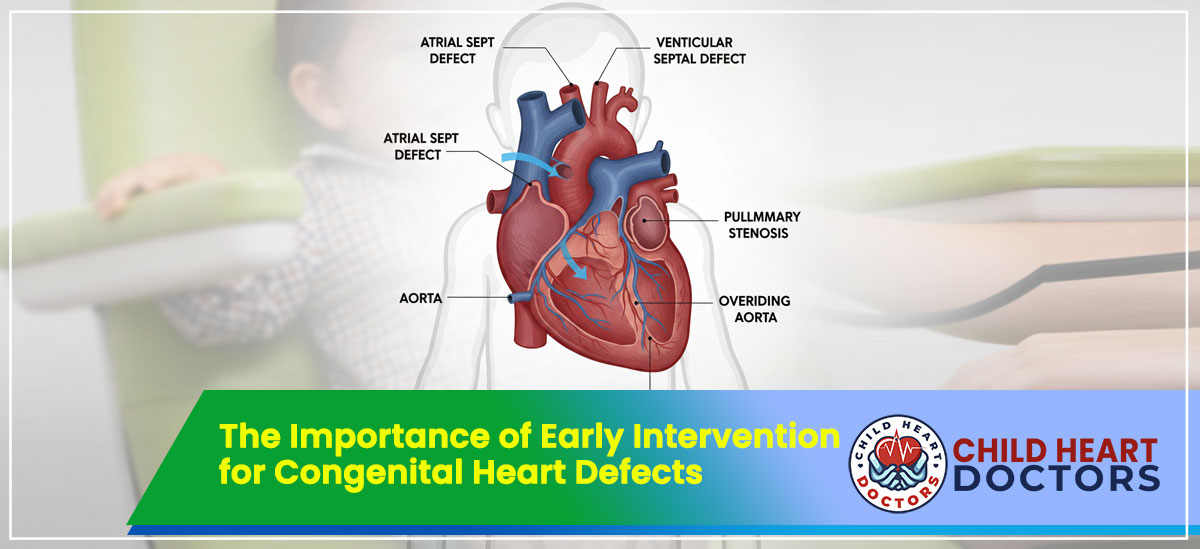
Congenital heart defects are structural abnormalities present from birth. They occur when the heart or its large blood vessels do not develop correctly during pregnancy. While some are simple and may even close on their own, others are critical and require immediate medical or surgical attention.
Congenital heart defects occur when the heart does not form properly during pregnancy. They can involve holes in the heart, narrow or blocked blood vessels, abnormal heart valves, or incorrect connections between heart chambers.
In our experience as a Congenital Heart Defects doctor in Kolkata, Common congenital heart defects include:
- Atrial Septal Defect (ASD)
- Ventricular Septal Defect (VSD)
- Patent DuctusArteriosus (PDA)
- Tetralogy of Fallot (TOF)
- Coarctation of the Aorta
Some babies show symptoms soon after birth, while others may appear healthy for months or even years. This makes early screening and regular checkups very important.
Common Types of Congenital Heart Defects
There are several types of congenital heart defects, each with its own characteristics. Ventricular septal defects involve holes in the wall separating the heart’s lower chambers. Atrial septal defects are similar but occur in the upper chambers. Tetralogy of Fallot is a combination of four heart abnormalities that affect blood flow. Patent ductusarteriosus happens when a blood vessel that should close after birth remains open.
Then there are valve problems, where the heart’s valves don’t work properly. Coarctation of the aorta involves a narrowing of the main artery. Each type presents different challenges and requires specific approaches to treatment.
The Power of Early Intervention
Why Early Detection Matters
Early intervention means identifying and treating a heart defect as soon as possible, often during infancy or early childhood. Acting early can make a big difference in a child’s future health.
- Prevents Serious Complications:
If congenital heart defects are left untreated, they can lead to heart failure, poor growth, frequent infections, or low oxygen levels in the body. Early medical care helps prevent these serious problems.When there is a hole in the heart, blood often flows in the wrong direction, flooding the lungs. Over time, this high pressure can cause permanent damage to the lung vessels (Pulmonary Hypertension). By intervening early, your Congenital Heart Defects doctor in Kolkata can repair the heart before the lungs are scarred for life. - Supports Normal Growth and Development:
Children with untreated heart defects may struggle with feeding, weight gain, and physical activity. Early Congenital Heart Defects Treatment in Kolkata helps improve blood flow and oxygen supply, allowing children to grow and develop more normally. - Brain Development:
The brain requires a steady, high-quality supply of oxygen. Early correction of cyanotic defects ensures the brain receives the oxygen it needs during its most critical growth phase, reducing the risk of learning disabilities later in life. - Reduces the Need for Complex Surgery:
When defects are detected early, many can be treated with minimally invasive procedures. Delayed diagnosis may require more complex surgeries later in life. - Improves Long-Term Quality of Life:
Timely intervention allows many children to lead active, healthy lives with fewer restrictions. Early care also reduces emotional stress for families.
Signs Parents Should Not Ignore
As a leading Child heart doctor in Howrah, we urge parents to watch for these “red flags”:
- Fast or difficult breathing
- Bluish color of lips, tongue, or fingers
- Poor feeding or tiring easily during feeding
- Slow weight gain
- Frequent lung infections
- Excessive sweating, especially while feeding or crying
If any of these symptoms appear, parents should consult a congenital heart defects doctor in Kolkata immediately; it can be a life-saving decision.
Advanced Congenital Heart Defects Treatment in Kolkata
Kolkata and Howrah have emerged as world-class hubs for pediatric cardiac care. Today, Congenital Heart Defects Treatment in Kolkata is no longer just about “open-heart surgery.” We have moved toward minimally invasive procedures.
Modern Diagnostic Tools
Early diagnosis is the foundation of successful treatment. A child heart doctor in Kolkata & surrounding areas in Howrah may use several tests to identify heart defects, such as:
- Physical examination and heart sound check
- Echocardiography (heart ultrasound)
- Chest X-ray
- ECG (electrocardiogram)
- Pulse oximetry to check oxygen levels
In some cases, heart defects are detected during pregnancy through fetal echocardiography, which allows doctors to plan treatment even before birth.
Intervention for Congenital Heart Defects
Treatment depends on the type and severity of the heart defect. Not all defects require surgery, but early medical guidance is essential.
- Medication: Some children need medicines to help the heart work better, control symptoms, or manage blood pressure until further treatment is planned.
- Catheter-Based Procedures: Many heart defects can now be treated using minimally invasive techniques. A thin tube called a catheter is inserted through a blood vessel to repair holes or open narrow valves. These procedures often involve shorter hospital stays and quicker recovery.
- Surgical Treatment: In more complex cases, surgery may be required to correct the defect. When performed early, surgery often has better outcomes and fewer complications.
- Regular Follow-Up Care: Even after treatment, regular follow-ups with a doctor for congenital heart defects are important. This ensures the heart is functioning well and helps detect any future issues early.
Treatment Modalities
| Procedure Type | Description | Best For |
| Cardiac Catheterization | A tiny tube is inserted through the leg to close holes. | ASD, VSD, PDA |
| Minimally Invasive Surgery | Small incisions instead of opening the chest. | Valve repairs |
| Corrective Surgery | Expert surgeons “re-plumb” the heart. | Complex defects like TOF |
Benefits of Early Intervention
Improved Survival Rates
Early intervention dramatically improves survival rates for children with congenital heart defects. Conditions that were once fatal are now treatable, and many children go on to live completely normal lives.
Timing is everything. Catching and treating defects before they cause irreversible damage gives children the best possible start in life.
Better Quality of Life
Beyond survival, early intervention improves quality of life. Children can participate in sports, keep up with their peers, and avoid the limitations that untreated heart conditions impose. They grow up healthier, stronger, and more confident.
Prevention of Complications
Untreated congenital heart defects can lead to heart failure, stroke, infections, and developmental delays. Early intervention for congenital heart defects prevents these complications from ever developing. It’s preventive medicine at its finest.
By addressing the root problem early, we protect not just the heart but every system in the body that depends on proper circulation.
Emotional and Social Benefits of Early Care
Early intervention not only improves physical health but also supports emotional well-being. Children who receive timely treatment often experience:
- Better confidence and activity levels
- Fewer hospital visits later in life
- Improved school attendance and participation
- Reduced anxiety for parents and caregivers
Families feel more confident when they know their child’s condition is being managed properly from an early age.
The Role of a Child Heart Doctor
A specialized child heart doctor plays a vital role in managing congenital heart defects. These doctors understand the unique needs of infants and children and provide care tailored to each child’s condition.
Their responsibilities include:
- Early diagnosis and risk assessment
- Planning the right intervention at the right time
- Guiding parents through treatment decisions
- Monitoring long-term heart health
- Choosing an experienced specialist ensures accurate diagnosis and effective treatment.
Advances in Pediatric Cardiology
Modern Diagnostic Tools
Today’s diagnostic technology is remarkable. Fetal echocardiography can detect heart defects before birth. After birth, echocardiograms, MRI, CT scans, and cardiac catheterization provide detailed images of the heart’s structure and function.
These tools allow doctors to plan interventions with precision, reducing risks and improving outcomes. It’s like having a detailed blueprint before starting a complex renovation project.
Innovations in Treatment
Pediatric cardiology is constantly evolving. Hybrid procedures combine surgical and catheter-based techniques. Three-dimensional printing helps surgeons plan complex repairs. These innovations mean that children diagnosed today have even better prospects than those diagnosed just a few years ago. The future looks bright for treatment of kids with congenital heart defects.
Life After Intervention
Follow-Up Care and Monitoring
Treatment doesn’t end after surgery or a procedure. Regular follow-up with a doctor for congenital heart defects ensures your child continues to thrive. These check-ups monitor heart function, adjust medications if needed, and catch any new problems early.Consistent care keeps everything running smoothly.
Living a Normal Life
Children who receive timely intervention for congenital heart defects can often live a normal and healthy life. Early treatment improves blood flow and heart function, which helps children grow properly, stay active, and reach normal developmental milestones. With the right medical care, regular follow-ups, and a healthy lifestyle, many children can attend school, play sports, and enjoy daily activities just like other children. Early intervention also reduces long-term complications, allowing them to lead confident and fulfilling lives. Yes, some children may have activity restrictions or need ongoing care. But with proper management, even complex cases can achieve excellent outcomes.
Conclusion
Early intervention for congenital heart defects can truly change a child’s life. From preventing serious complications to supporting healthy growth and development, timely care makes a lasting difference. With advances in medical technology and skilled specialists, many children with heart defects can live full and active lives.
Consulting a trusted doctor for congenital heart defects at the right time ensures proper diagnosis, effective treatment, and long-term heart health. Early action is the key to giving every child the best possible start in life.
FAQs
Can congenital heart defects be detected before birth?
Are all congenital heart defects serious?
How long does recovery take after heart surgery in children?
Will my child need multiple surgeries?
Can children with congenital heart defects play sports?
Disclaimer: This article is for informational purposes only and does not constitute medical advice. Always consult with a qualified cardiac specialist for diagnosis and treatment related to your personal health condition.
Read Also:
- Early Diagnosis of Heart Conditions by a Newborn Heart Doctor in Howrah
- Interventional Cardiology: Minimally Invasive Procedures for Children
- Caring for a Baby’s Heart: Insights from a Pediatric Heart Doctor in Howrah
- Child Heart Doctors: Find Best Fetal Echo Doctor in Howrah in 2025
- Common Heart Conditions in Children
- Pediatric Cardiac Care Availability in Jharkhand
- A Guide to Pediatric Arrhythmias from the Child Heart Doctors
- Finding the Best Pediatric Cardiologist in Howrah for Your Child
- Child Heart Doctors in Assam in 2025: An Inside View
- Advanced Cardiac Imaging Services for Children in Howrah