

Introduction
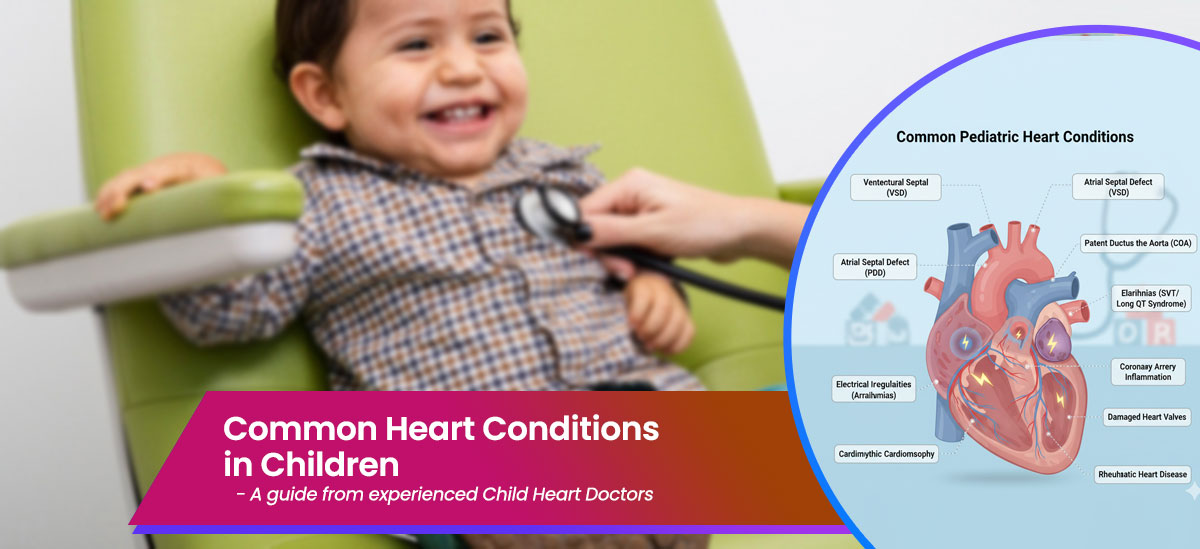
‘Common Heart Conditions in Children in 2025′ – an essential guide by a group of renowned experienced Child Heart Doctors, Howrah.
Heart diseases in children are often divided into two major types: congenital heart diseases, which are present from birth, and acquired heart diseases, which develop after birth. While congenital heart conditions are more commonly discussed, acquired heart conditions in children are equally important to understand. These conditions may develop due to infections, autoimmune disorders, or other medical complications that affect the heart’s normal function.
In recent years, the awareness about child heart health has grown significantly in West Bengal. With access to advanced care and experienced doctors, many of these conditions can now be treated effectively. Families in Kolkata and nearby areas such as Howrah have access to some of the best child cardiologist teams in Kolkata, who specialize in diagnosing and managing these heart problems, including ASD, VSD, and PDA device closure procedures.
This article explores the most common acquired heart conditions in children, their symptoms, causes, and treatment options, while also guiding parents on where to seek the best medical help.
Understanding Acquired Heart Conditions in Children
What Are Acquired Heart Conditions in Children?
Acquired heart diseases are issues that develop after birth. These conditions may affect the heart muscle, valves, or the blood vessels connected to the heart. They can occur due to bacterial or viral infections, inflammation, or immune system reactions.
Some common examples include rheumatic heart disease, myocarditis, pericarditis, Kawasaki disease, and endocarditis. These conditions can range from mild to severe, and early detection is essential to prevent long-term damage.
Parents should be alert to symptoms such as fatigue, shortness of breath, chest pain, irregular heartbeat, swelling in legs or face, and frequent respiratory infections.
Common Causes of Acquired Heart Diseases in Children
Understanding what causes these conditions can help in early prevention and management. Some of the major causes include:
- Bacterial or viral infections: Certain infections can directly affect the heart tissue or valves.
- Autoimmune reactions: In some cases, the immune system attacks the heart tissues following infections, like streptococcal throat infections.
- Inflammation: Prolonged inflammation in the body can lead to swelling of the heart muscle or surrounding layers.
- Poorly managed illnesses: Delayed or incomplete treatment of infections may lead to complications involving the heart.
Most Common Acquired Heart Conditions in Children
Let’s take a closer look at some of the most common acquired heart diseases seen in children.
Rheumatic Heart Disease
Rheumatic heart disease (RHD) is one of the leading acquired heart conditions in children, especially in developing countries. It occurs as a result of rheumatic fever, which follows an untreated or poorly treated throat infection caused by bacteria.
The immune system attacks the heart valves, causing inflammation and long-term damage. The valves may become narrowed or leaky, affecting normal blood flow.
Symptoms include:
- Shortness of breath
- Fatigue
- Swelling of the legs
- Heart murmur
Treatment:
Rheumatic heart disease (RHD)can be prevented through early and complete treatment of sore throats caused by bacterial infections. If the condition develops, long-term antibiotics and sometimes valve surgery may be required.
In West Bengal, parents often rely on the best child heart doctors for the timely diagnosis and treatment of such conditions, which can prevent further complications.
Myocarditis
Myocarditis refers to inflammation of the heart muscle. It is usually caused by viral infections such as adenovirus, enterovirus, or influenza. In some cases, it may also occur due to autoimmune reactions or exposure to certain medications.
Symptoms include:
- Fatigue or weakness
- Rapid or irregular heartbeat
- Chest pain
- Difficulty breathing
- Fainting
Treatment:
Mild cases may resolve on their own with rest and medication, while severe cases may require hospital care and support for heart function. Continuous monitoring by a pediatric cardiologist ensures complete recovery and that no long-term heart damage remains.
Kawasaki Disease
Kawasaki disease is an inflammatory condition that mainly affects children under the age of five. It causes inflammation in the walls of the blood vessels throughout the body, including the coronary arteries that supply blood to the heart.
If untreated, it can lead to aneurysms or narrowing of the coronary arteries, causing serious heart complications.
Symptoms include:
- Persistent fever
- Red eyes and lips
- Swollen hands and feet
- Rash on the body
- Enlarged lymph nodes
Treatment:
Early diagnosis is critical. Treatment usually includes intravenous to reduce inflammation and prevent heart complications.
Expert care from the best child cardiologist team ensures timely monitoring through echocardiography to detect any changes in the coronary arteries.
Pericarditis
Pericarditis is the inflammation of the pericardium. It may develop after viral infections, chest injuries, or surgery.
Symptoms include:
- Sharp chest pain (worsens with breathing or lying down)
- Fever
- Weakness
- Shortness of breath
Treatment:
Most cases are treated with anti-inflammatory medications. Severe or recurrent cases may need specialized care under Child Heart Doctor, where facilities for echocardiography and cardiac imaging are available.
Endocarditis
Endocarditis is a serious infection of the inner lining of the heart (endocardium) and heart valves. Children with congenital heart defects or previous valve problems are at higher risk.
Symptoms include:
- Persistent fever
- Fatigue
- Unexplained weight loss
- Skin rashes or tiny red spots
- Heart murmur
Treatment:
Treatment involves long-term antibiotics and, in some cases, surgery to repair damaged valves. Early diagnosis by an experienced pediatric cardiologisthelps prevent complications and ensures proper heart function.
Diagnostic Methods for Acquired Heart Diseases in Children
Accurate diagnosis is the key to effective treatment. In Kolkata and West Bengal, reputed hospitals and health-care centres use advanced diagnostic tools to identify heart conditions at an early stage.
Common diagnostic tests include:
- Echocardiogram (ECHO): Uses sound waves to create images of the heart’s structure and movement.
- Electrocardiogram (ECG): Records the electrical activity of the heart.
- Chest X-ray: Helps in detecting heart enlargement or fluid build-up.
- Cardiac MRI: Provides detailed images of the heart’s anatomy and function.
The child cardiologist team often combine these tests to create a complete picture of a child’s heart health and plan an effective treatment strategy.
Treatment and Management of Acquired Heart Conditions
Treatment for acquired heart diseases in children depends on the specific condition, its severity, and the child’s overall health.
Treatment options may include:
- Medication:Medicines help control symptoms, and support heart function.
- Lifestyle adjustments: Adequate rest, balanced diet, and controlled physical activity.
- Surgical procedures: In some cases, surgery may be needed to repair or replace damaged heart valves or tissues.
- Follow-up care: Regular follow-ups with a pediatric cardiologist in Howrah or Kolkata to monitor recovery and prevent recurrence.
The reputed hospitals provide multi-disciplinary care, where cardiologists, surgeons, and pediatricians work together to ensure the best outcomes for children.
UnderstandingCongenital Heart Defects in Children
What Are Congenital Heart Defects?
Congenital heart defects are problems with the structure of the heart that develop before birth. They occur when the heart or its major blood vessels do not form properly during the first few weeks of pregnancy.
These defects can range from mild (that may not need any treatment) to severe (that may require surgery or long-term medical care).
Some defects affect the walls that separate the heart chambers, while others may involve the valves or blood vessels that carry blood to and from the heart.
Common Types of Congenital Heart Defects in Children
There are many types of CHDs, but some are more common than others. Below are the most frequently diagnosed conditions in children:
Atrial Septal Defect (ASD)
An ASD is a hole in the wall (septum) between the two upper chambers of the heart. This allows oxygen-rich and oxygen-poor blood to mix, making the heart and lungs work harder than normal.
- Symptoms: Fatigue, shortness of breath, and slow growth in infants.
- Treatment: Small ASDs may close on their own, while larger ones can be closed using a catheter-based device or open-heart surgery.
Ventricular Septal Defect (VSD)
A VSD is a hole between the lower chambers (ventricles) of the heart. This is one of the most common heart defects found in newborns.
- Symptoms: Rapid breathing, poor feeding, sweating during feeding, and slow weight gain.
- Treatment: Some small VSDs close naturally. Larger ones may need surgery or device closure by a specialized paediatric cardiologist.
Patent Ductus Arteriosus (PDA)
Before birth, a baby’s blood bypasses the lungs through a vessel called the ductusarteriosus. After birth, this vessel should close naturally. If it stays open, it is known as PDA.
- Symptoms: Fast breathing, poor feeding, or heart murmur.
- Treatment: Medicines may help close the duct in premature babies. For others, doctors may recommend a device closure or surgery.
Tetralogy of Fallot (TOF)
This is a complex heart defect made up of four problems: a VSD, pulmonary stenosis (narrowed artery to the lungs), a displaced aorta, and thickening of the heart muscle.
- Symptoms: Bluish skin (cyanosis), breathlessness, fainting, and tiredness during play or feeding.
- Treatment: Surgical repair is required, usually within the first year of life.
Coarctation of the Aorta
This condition involves a narrowing of the main artery (aorta) that carries blood from the heart to the rest of the body.
- Symptoms: High blood pressure, cold legs, and weakness.
- Treatment: Balloon angioplasty (widening the artery using a balloon) or surgical correction.
Pulmonary Stenosis
Here, the valve controlling blood flow from the heart to the lungs becomes too narrow.
- Symptoms: Fatigue, shortness of breath, or chest pain.
- Treatment: Balloon valvuloplasty or surgery to open the valve.
Signs and Symptoms of Congenital Heart Defects
The symptoms of CHDs depend on the type and severity of the defect. Some babies show signs right after birth, while others may not have noticeable symptoms until later.
Common signs include:
- Rapid breathing or breathlessness
- Bluish color of lips, nails, or skin (cyanosis)
- Poor feeding or slow growth
- Excessive sweating, especially while feeding
- Frequent lung infections
- Fatigue during activity
If parents notice any of these symptoms, they should immediately consult a child heart specialist or pediatric cardiologist.
Causes and Risk Factors
Several factors may increase the risk:
- Genetic factors: Some defects run in families.
- Chromosomal abnormalities: Conditions like Down syndrome can be linked to CHDs.
- Maternal infections: Infections such as rubella during pregnancy.
- Uncontrolled diabetes during pregnancy.
- Certain medications or alcohol use during pregnancy.
Pregnant women can lower the risk by getting regular prenatal care, avoiding harmful substances, and controlling existing health conditions.
Diagnosis of Congenital Heart Defects
CHDs can now be diagnosed before or after birth using various methods.
Prenatal Diagnosis (Before Birth)
Many heart defects can be detected during pregnancy through a fetal echocardiogram, a special ultrasound that shows the structure and function of the baby’s heart. Early diagnosis allows parents and doctors to plan proper care after birth.
Postnatal Diagnosis (After Birth)
Once the baby is born, doctors may use several tests to confirm a suspected heart defect:
- Echocardiogram (ECHO): Provides detailed images of the heart.
- Electrocardiogram (ECG): Measures electrical activity and detects abnormal rhythms.
- Chest X-ray: Shows the size and shape of the heart.
- Pulse oximetry: Checks oxygen levels in the blood.
- Cardiac MRI or CT scan: Gives detailed images for complex cases.
The diagnosis process is handled carefully by experienced pediatric cardiologists, who ensure that the treatment plan suits the child’s needs.
Treatment Options for Congenital Heart Defects
Treatment for CHDs depends on the type and severity of the condition. Some minor defects heal on their own, while others need medical or surgical treatment.
Medication
Medicines help control symptoms, prevent blood clots, or support heart function. For example, diuretics reduce fluid build-up, and ACE inhibitors help the heart pump more effectively.
Catheter-Based Procedures
For some defects, doctors can use a thin tube (catheter) to repair the heart without open surgery. Examples include closing small holes (ASD, VSD, PDA) or widening narrow valves or arteries using balloon angioplasty.
Surgery
When defects are complex or large, open-heart surgery may be required. Surgeons repair or replace the affected parts of the heart. This is often done within the first few months or years of life.
Preventive Measures for Congenital and Acquired Heart Diseases
While not all heart diseases in children can be completely prevented, certain steps can greatly reduce the risks. Both congenital and acquired heart diseases need care, awareness, and timely medical attention.
Preventing Congenital Heart Disease
Congenital heart diseases develop before birth, often due to genetic or environmental factors. Expectant mothers can lower the risk by following healthy habits during pregnancy:
- Get regular prenatal check-ups.
- Take prescribed vitamins and folic acid.
- Avoid alcohol, tobacco, and harmful drugs.
- Manage conditions like diabetes and obesity under medical supervision.
- Stay vaccinations, especially against rubella.
Preventing Acquired Heart Disease
Acquired heart diseases occur after birth, often due to infections or lifestyle-related factors. Parents can help protect their child’s heart by:
- Treating throat and chest infections promptly to prevent rheumatic heart disease.
- Encouraging a balanced diet with fruits, vegetables, and low-fat foods.
- Promoting regular physical activity suitable for the child’s age.
- Ensuring good hygiene to prevent bacteria.
- Keeping all vaccinations, especially for flu and pneumonia, up to date.
- Avoiding exposure to tobacco smoke and pollution.
Regular Check-ups
Routine heart check-ups and early screening by a pediatric cardiologist can detect potential problems early. Early diagnosis and treatment are key to maintaining a healthy heart throughout childhood.
By following these preventive steps, parents can give their children the best care at a strong and healthy heart.
Conclusion
Common acquired heart conditions in children can be worrying for any parent, but early awareness and timely medical care make a big difference.
Acquired heart conditions in children can be challenging, but with modern medicine and expert care, most of them are treatable. Early diagnosis, timely treatment, and regular follow-up can help children lead normal, healthy lives.
Congenital heart defects in children are more common heart conditions in children. With early diagnosis, proper treatment, and continuous care, most children go on to enjoy healthy, happy lives.Parents should always stay alert to early symptoms and consult a pediatric cardiologist if they have any concerns. Regular medical check-ups, healthy living habits, and timely follow-ups are the keys to managing CHDs successfully.
By understanding the difference between acquired heart defects and congenital heart defects, parents can respond quickly when symptoms appear and ensure their child receives the proper treatment at the right time. Families in Howrah and surrounding areas in Kolkata have access to experienced specialists, including the pediatric cardiologist in Kolkata and the child heart doctor team in Howrah, who offer expert diagnosis, compassionate guidance, and advanced treatment options for young patients. With the right support, most children with heart conditions can grow up healthy, active, and full of life.
Disclaimer: This article is for informational purposes only and does not constitute medical advice. Always consult with a qualified cardiac specialist for diagnosis and treatment related to your personal health condition.
Read Also:
- Pediatric Cardiac Care Availability in Jharkhand
- A Guide to Pediatric Arrhythmias from the Child Heart Doctors
- Finding the Best Pediatric Cardiologist in Howrah for Your Child
- Child Heart Doctors in Assam in 2025: An Inside View
- Advanced Cardiac Imaging Services for Children in Howrah
- Expert Fetal Echo Cardiologist in Howrah in 2025
- The Role of an Interventional Cardiologist in Howrah 2025
- Understanding Congenital Heart Disease: A Guide from a Child Heart Doctor in Howrah, West Bengal
- Meet the best child heart doctor in Howrah for 2025